August 3, 2026
Modern society seeks sustainable solutions for daily living. Residential climate control represents a major opportunity for environmental improvement. Traditional furnaces rely on fossil fuels, creating greenhouse gas emissions that harm the atmosphere. Heat pumps offer a greener alternative by transferring ambient warmth rather than generating it. This process reduces reliance on combustible resources and lowers utility bills. Environmental impact shrinks when properties transition to renewable electricity.
Transitioning to this technology requires precise implementation. Complex refrigeration cycles and intricate electrical components demand specialized knowledge. Property owners might attempt do-it-yourself projects to save money, but modern climate systems require professional expertise. Qualified heating contractors understand regional climate demands and specific manufacturer requirements. Proper setup ensures optimal performance and energy savings over the equipment's lifespan. Without expert guidance, homeowners risk compromising essential environmental benefits.
Maximizing Efficiency Through Professional Placement
Outdoor unit positioning dictates system efficiency and overall performance. The condenser needs unobstructed airflow to exchange thermal energy with the surrounding environment. Shrubs, walls, and architectural structures impede this crucial exchange, forcing the compressor to work under strain. Experts select locations with adequate clearance and optimal sun exposure. Winter performance improves when the outdoor component receives adequate sunlight to prevent frost buildup on exterior coils.
Indoor unit placement requires equal consideration for aesthetics and functionality. Wall-mounted heads must distribute conditioned air throughout the living space without creating uncomfortable drafts. Poor positioning results in uneven temperatures and hot spots in large rooms. Technicians analyze room dimensions, ceiling heights, and floor layouts before making mounting decisions. This thorough analysis prevents airflow obstruction from bulky furniture and unique architectural features.
Selecting these mounting points involves structural evaluation and careful planning. Professionals assess wall integrity and locate sturdy studs to support the substantial equipment weight. Routing refrigerant lines and drainage tubes requires clear pathways through the building envelope. Experienced heating contractors identify optimal routes that minimize aesthetic disruption and maintain the structural integrity of the home. They seal all exterior penetrations to prevent air leaks and moisture intrusion.
Suboptimal placement forces the machinery to operate under constant strain. Increased workload translates to higher energy consumption, negating the primary goal of green technology. Correct placement optimizes the thermal transfer process between the indoor and outdoor environments. The equipment operates within designed parameters, utilizing minimal electricity to achieve the desired indoor climates. Strategic positioning ensures the system draws minimal power to maintain comfortable environments.
Minimizing Footprint Through Proper Sizing
Selecting equipment with appropriate capacity dictates operational success and longevity. A common misconception suggests massive units provide superior heating and cooling capabilities. Reality proves the opposite in the HVAC industry. Oversized systems cool spaces at a rapid pace but fail to dehumidify the air. Undersized units run nonstop, struggling to maintain desired temperatures during extreme weather conditions. Flawed scenarios result in massive energy waste.
Detailed load calculations serve as the foundation for correct equipment selection. Professionals measure windows, evaluate ceiling insulation, and analyze the square footage of every room. This comprehensive assessment determines the exact thermal demand of the property under various weather conditions. Guesswork leads to poor equipment choices and compromised energy efficiency. Mathematical precision ensures the chosen system matches the building load with precision, providing optimal performance across all seasons.
Equipment running nonstop consumes excessive electricity and experiences premature mechanical wear. An undersized unit fails to provide adequate comfort, leaving residents cold during harsh winter months. The constant operational strain degrades internal components and leads to frequent breakdowns. Property owners experience higher monthly utility bills and require expensive repair visits. The system never achieves a resting state, shortening the lifecycle of the installation.
Conversely, oversized units experience a phenomenon known as short cycling. The compressor turns on and off without interruption throughout the day. This frequent cycling draws massive amounts of startup power and stresses the electrical components. Competent heating contractors prevent these operational issues by performing meticulous load calculations before equipment recommendation. Accurate sizing guarantees the system operates in long, efficient cycles that maximize energy conservation.
Ensuring Longevity Through Correct Calibration
System installation extends far beyond connecting copper pipes and running electrical wires. The refrigerant charge requires exact calibration to function without error under varying thermal loads. Excess refrigerant causes severe compressor damage and diminishes overall efficiency. Insufficient refrigerant reduces heating capacity and causes indoor freezing issues. Technicians use digital gauges to measure internal pressures and adjust the chemical charge according to strict manufacturer specifications.
Electrical connections demand similar precision and adherence to safety codes. Voltage and amperage must match the equipment requirements without fluctuation. Incorrect wiring creates dangerous fire hazards and destroys sensitive, expensive circuit boards. Professionals verify proper electrical supply and install appropriate disconnect switches near the machinery. They configure complex control wiring to ensure seamless digital communication between the wall thermostat and the outdoor mechanical components.
Meticulous setup determines the lifespan and reliability of the mechanical equipment. According to Bob Vila, heat pumps last 16 years on average. Achieving this impressive lifespan requires flawless initial setup and diligent regular maintenance. Faulty installation degrades internal moving parts from the very beginning of operation. Correct calibration protects the financial investment and delays the need for complete system replacement.
Proper airflow configuration completes the technical calibration process. Blower motors must deliver specific volumes of air across the indoor evaporator coil. Incorrect fan speeds lead to coil freezing or insufficient air distribution throughout the home. Knowledgeable heating contractors adjust motor settings to match the static pressure of the existing ductwork. This final adjustment ensures whisper-quiet operation and optimal thermal transfer across all seasons.
Enhancing Comfort Through Expert Integration
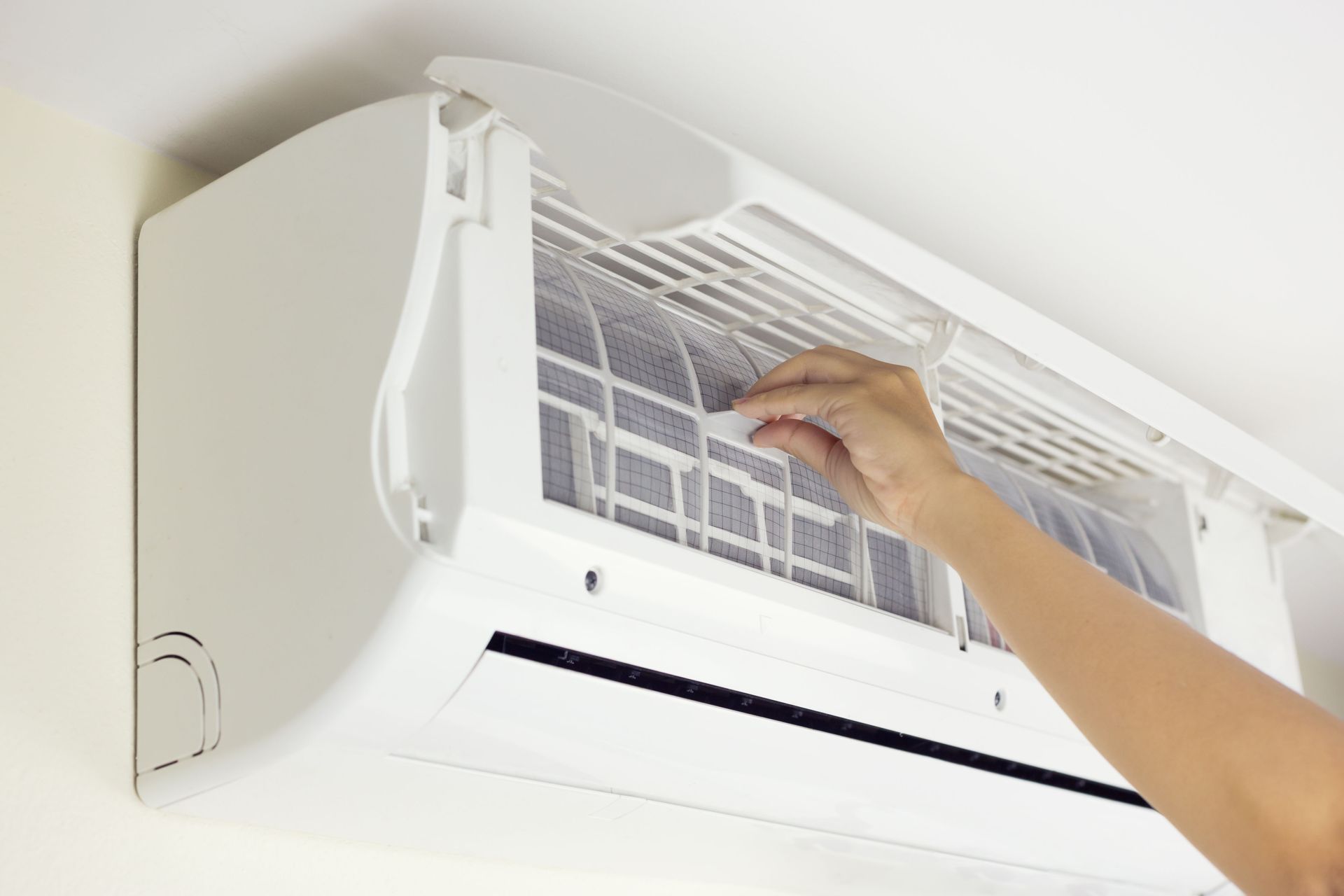
Integrating new climate technology with existing residential infrastructure presents distinct technical challenges. Homes with existing ductwork require thorough inspection and flow testing. Ducts designed for older gas furnaces often lack the larger dimensions required for modern, high-efficiency alternatives. Technicians evaluate duct sizing and recommend the necessary sheet metal modifications. These vital modifications prevent restricted airflow and eliminate unnecessary strain on the new blower motor.
Sealing and insulating the air distribution system prevents massive energy loss. Conditioned air escaping into unconditioned attics or damp crawlspaces wastes expensive electricity. Professionals use specialized mastic sealants to coat joints and wrap exposed metal ducts in thick insulation. This meticulous attention to detail ensures the manufactured climate reaches the intended living spaces without seeping into the atmosphere. A sealed distribution system guarantees peak performance.
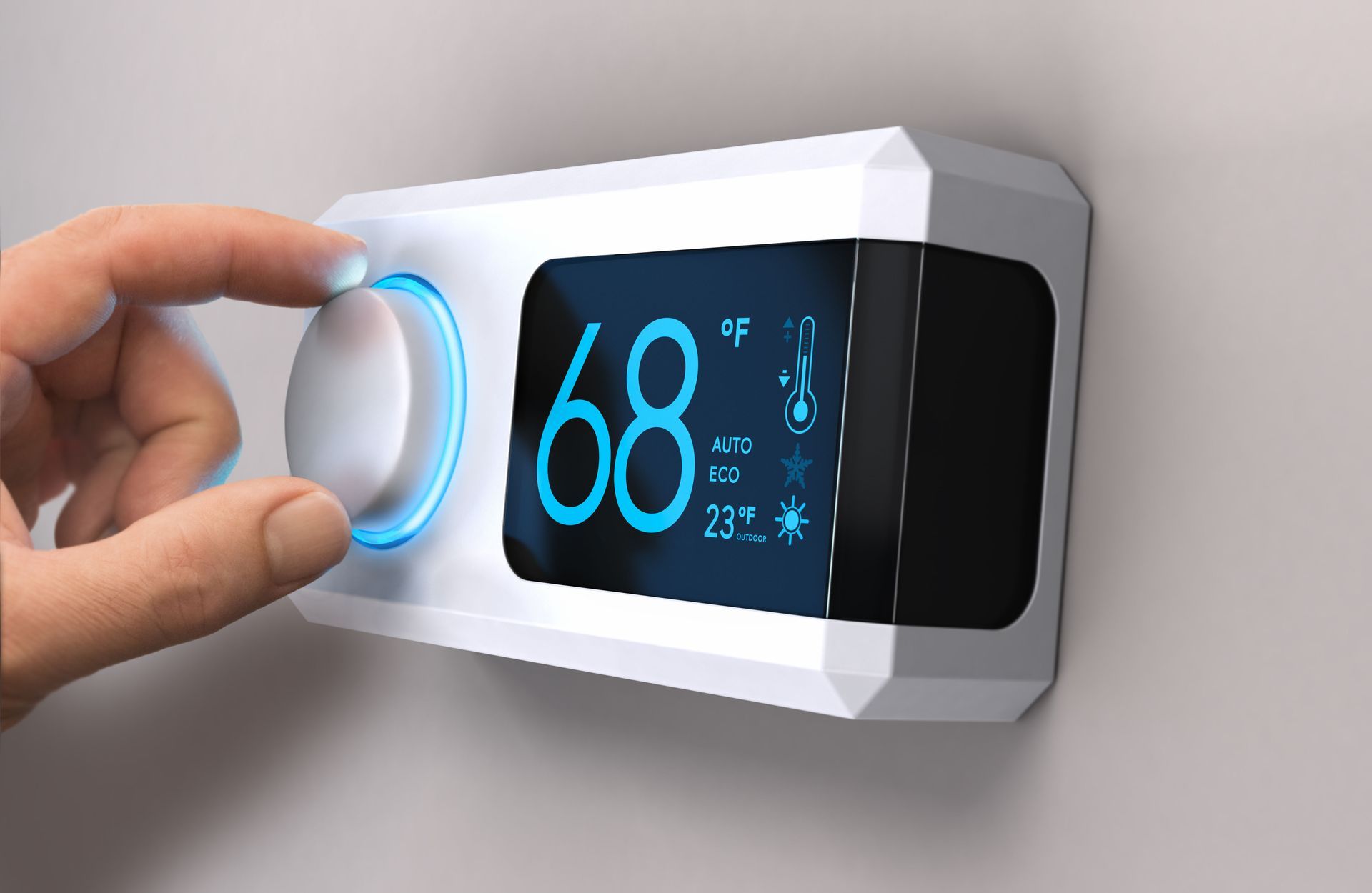
Modern smart thermostats offer unprecedented control over the indoor environment. These devices learn daily occupant habits and adjust temperatures to maximize financial savings. Installing these digital controllers requires understanding complex wiring schematics and communication protocols. Reliable heating contractors configure these advanced controllers to operate the specific mechanical equipment with high efficiency. They program intelligent staging algorithms to prevent auxiliary resistance heaters from engaging without need during mild weather.
Final commissioning involves comprehensive testing of all operational modes and safety switches. Technicians verify defrost cycles, measure precise temperature differentials, and test emergency heat functions. This rigorous testing phase confirms the entire system operates as engineered by the manufacturer. Property owners receive a fully functioning, eco-friendly climate solution that provides exceptional year-round comfort without creating undue environmental impact or drawing excess grid power.
Realizing these vast environmental and financial benefits hinges on proper technical implementation. Shoddy workmanship negates intended efficiency gains and shortens the equipment life cycle. Utilizing qualified heating contractors guarantees precise load sizing, optimal structural placement, and exact refrigerant calibration. Professional expertise transforms high-quality manufactured equipment into a reliable, sustainable comfort system. Property owners secure their mechanical investment and protect the fragile planet through expert installation. At McKinney Heat & Air, we want to ensure your transition to eco-friendly climate control is seamless and efficient. Contact our team of experienced heating contractors today to schedule your system evaluation.