October 19, 2026
Managing home energy costs while maintaining year-round indoor comfort requires smart strategies and reliable routine upkeep. When temperatures fluctuate throughout the changing seasons, your residential system works tirelessly to keep every room comfortable for your entire family. By taking proactive measures, households can easily minimize unnecessary energy waste, reduce monthly utility expenditures, and extend the operational lifespan of their equipment. Partnering with a professional air conditioner service allows residents to discover effective operational adjustments and maintenance routines that maximize daily performance. Implementing practical efficiency strategies around the house empowers residents to create a consistently comfortable environment while keeping overhead costs manageable.
Scheduling Annual Professional Inspections With Your Air Conditioner Service
Maintaining peak system performance requires routine maintenance conducted by an experienced technician who understands complex mechanical systems. A professional air conditioner service inspects sensitive operational components, cleans vital coils, verifies proper refrigerant levels, and identifies subtle mechanical issues before they escalate into costly emergency repairs. Scheduled professional checkups optimize overall operating efficiency, ensuring your system functions seamlessly during the most demanding summer months. Investing in regular maintenance preserves essential mechanical integrity while keeping energy consumption remarkably low throughout the entire year. Qualified technicians provide invaluable insights regarding overall operational health, helping homeowners avoid unexpected breakdowns and preserve reliable long-term indoor comfort across all dynamic seasons.
Adjusting Smart Thermostats for Optimal Energy Savings
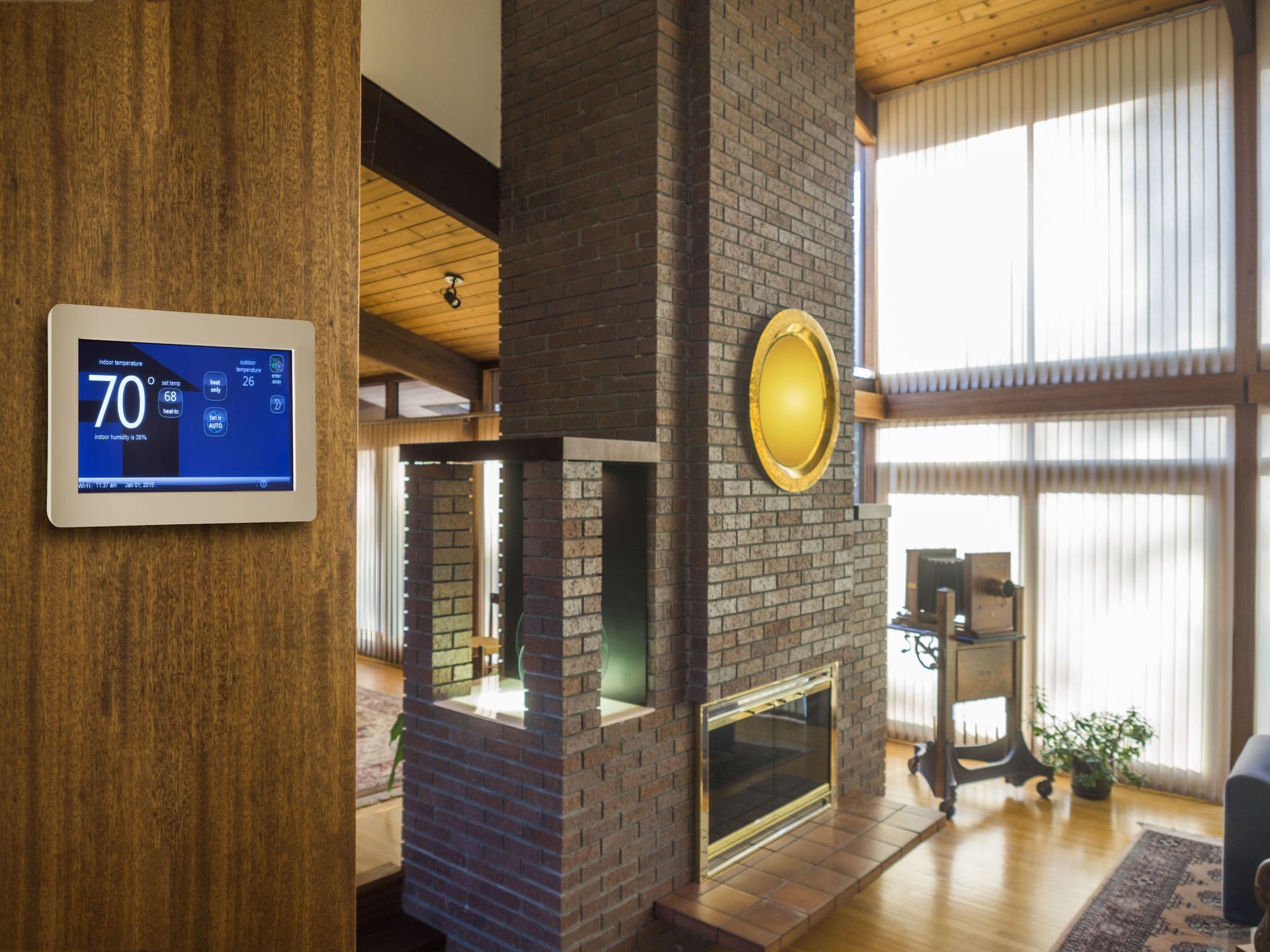
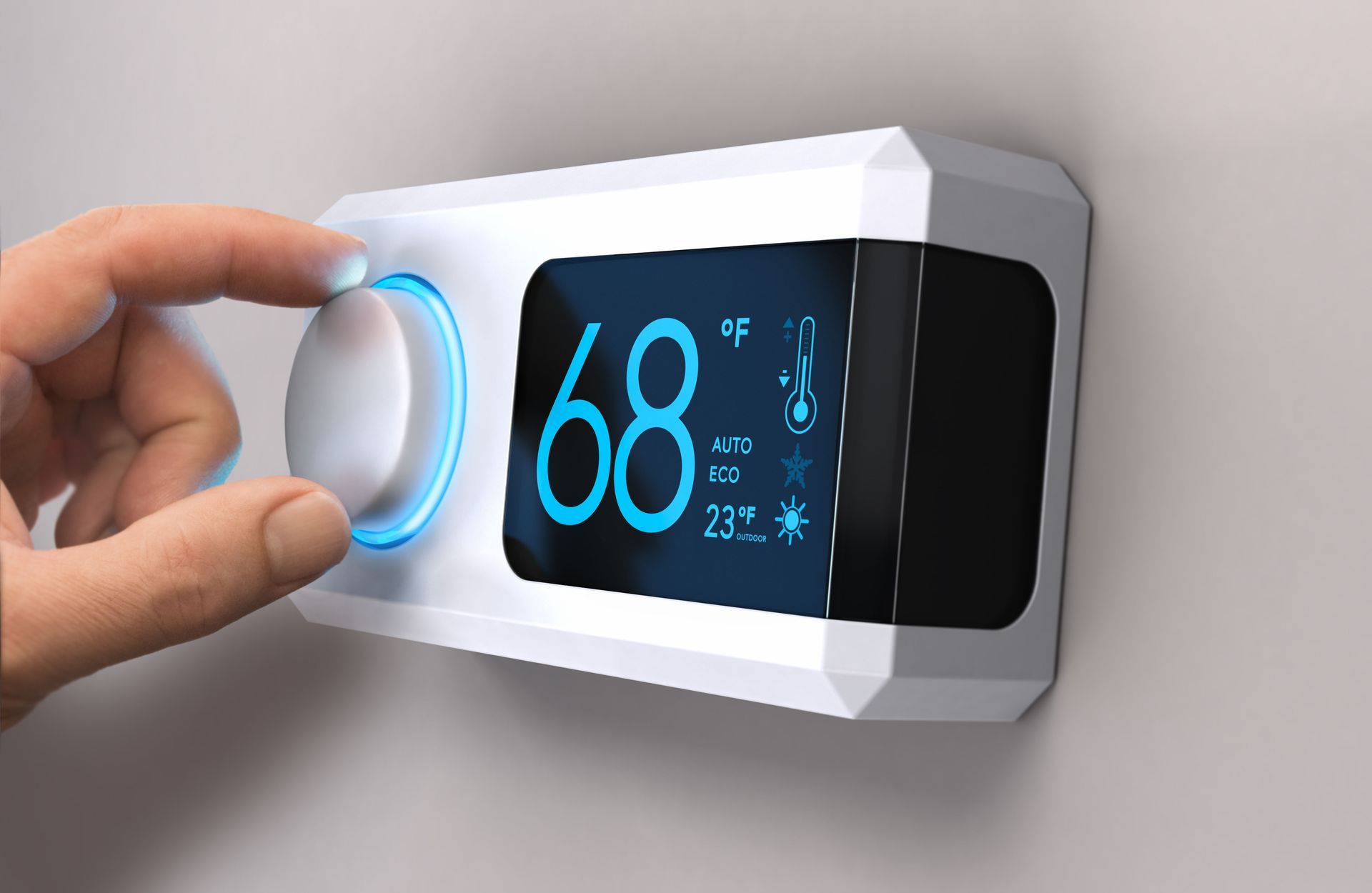
Optimizing temperature schedules serves as one of the fastest methods to curb unnecessary power consumption within your residential property. According to Honeywell Home, you should set your thermostat to 68°F when you are home and lower it at night or when you're away. Modern programmable controllers allow residents to automate these daily thermal changes effortlessly, preserving substantial energy without compromising personal daily comfort. When cooling requirements increase during humid weather, consulting an established air conditioner service helps confirm your thermostat operates with precise calibration. Proper temperature regulation reduces continuous system strain, fostering a perfectly balanced home environment while systematically lowering recurring monthly utility expenses for budget-conscious families everywhere.
Replacing Air Filters Regularly to Maintain Airflow
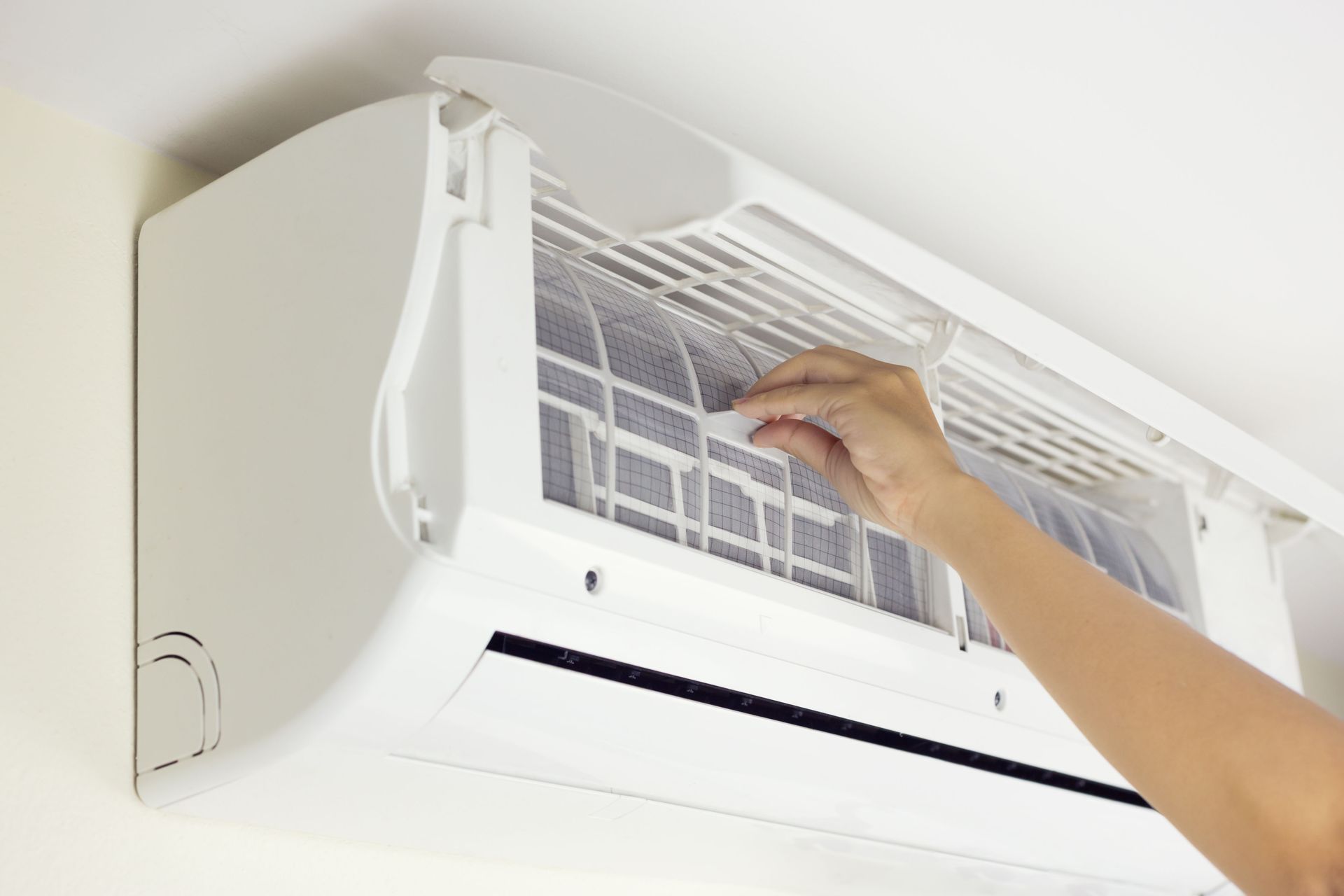
Clean filters remain essential for ensuring smooth airflow and protecting internal mechanical parts from premature wear or sudden failure. Dust, pet dander, and household debris quickly accumulate on filter surfaces, forcing the blower motor to work considerably harder to distribute air. Changing these filters every few months reduces mechanical resistance, enhancing total system efficiency while elevating indoor air quality for your household. If air circulation seems consistently restricted despite frequent replacement efforts, requesting a thorough evaluation from a dependable air conditioner service can identify underlying airflow obstacles. Clean filters safeguard valuable internal components, supporting smooth operation and minimizing unnecessary energy consumption day after day.
Sealing Air Leaks Around Windows and Doors
Unsealed gaps around exterior windows and doors allow preconditioned air to escape while admitting unwanted outdoor thermal currents. Drafty entryways force climate systems to run continuously to compensate for constant temperature loss, raising monthly utility charges significantly over time. Installing weatherstripping, applying durable caulk, and adding door sweeps effectively seal the building envelope, isolating indoor spaces from external weather extremes. Blocking hidden drafts keeps indoor temperatures steady, allowing heating and cooling units to operate efficiently on lower settings. Preventing unnecessary air exchange stabilizes internal conditions, significantly lessening overall mechanical workload while enhancing total residential comfort throughout every single season of the year.
Inspecting Ductwork Cleaning Requirements From Professional Technicians
Leaky or clogged duct networks waste substantial amounts of conditioned air before it ever reaches living spaces throughout your house. Cracks, loose joints, and heavy dust accumulation within ductwork force equipment to burn excessive power while struggling to maintain desired indoor temperatures. Arranging professional duct assessments helps identify hidden disconnects, sealing leaks tightly to restore proper air distribution across every room. A certified air conditioner service can evaluate duct integrity, ensuring conditioned air flows directly where needed without escaping into unconditioned attics or crawlspaces. Fixing duct deficiencies increases overall heating and cooling delivery efficiency, significantly improving indoor air circulation while reducing unnecessary energy expenses every month.
Utilizing Ceiling Fans to Assist Cooling
Ceiling fans provide beneficial air movement that enhances perceived comfort without altering actual room temperatures set on your thermostat. In warm weather, setting fan blades to rotate counterclockwise creates a refreshing wind-chill effect, allowing occupants to feel comfortable at slightly higher thermostat settings. During colder months, reversing blade rotation pushes trapped warm air downward from ceilings, distributing warmth evenly throughout living areas. Integrating ceiling fans with central climate systems reduces the operational burden on main units, generating noticeable energy savings throughout the year. Utilizing smart airflow assistance keeps living spaces remarkably pleasant while keeping overall power usage controlled and affordable for homeowners.
Clearing Debris Away From Exterior Condenser Units
Outdoor condenser units require ample clearance to expel heat effectively and maintain proper refrigeration cycles during operation. Falling leaves, overgrown vegetation, grass clippings, and accumulated dirt often block exterior intake grilles, restricting vital airflow and causing internal temperatures to surge. Homeowners should clear a two-foot perimeter around outdoor units, gently washing away loose dirt and trimming back intrusive garden plants regularly. If external coils remain heavily clogged despite basic surface cleaning, hiring a skilled air conditioner service ensures safe, deep cleaning of delicate aluminum fins. Keeping outdoor machinery clean and unobstructed maintains optimal heat transfer, preventing severe overheating and preserving energy efficiency all summer long.
Installing Insulating Window Treatments for Thermal Protection
Solar heat gain through unprotected glass windows substantially increases internal room temperatures during sunny afternoon hours. Hanging dense drapes, installing thermal blinds, or applying reflective window films blocks intense solar radiation, preventing unwanted heat buildup inside your living spaces. Closing window coverings during peak daylight hours reduces the cooling workload, allowing central systems to maintain ideal thermal comfort with minimal power consumption. During winter, opening curtains on sunny sides of the house captures natural solar warmth, reducing heating needs naturally. Utilizing strategic window treatments optimizes thermal management, protecting your indoor climate while providing reliable relief from escalating monthly power expenses year-round.
Monitoring Humidity Levels Throughout Every Room
Excessive indoor moisture makes air feel significantly warmer than it actually is, prompting homeowners to lower thermostat settings unnecessarily. Managing humidity through standalone dehumidifiers or integrated whole-house moisture solutions keeps indoor air crisp and comfortable at higher ambient temperatures. Balanced humidity prevents sticky indoor conditions, reduces mold risks, and allows cooling equipment to run far more efficiently during humid summer months. Maintaining relative humidity between thirty and fifty percent maximizes personal comfort while minimizing the operational burden placed on central cooling equipment. Controlling indoor moisture levels creates a healthier living space while significantly curtailing unnecessary power usage throughout changing weather conditions.
Taking deliberate steps to enhance household thermal performance yields substantial financial savings and consistent indoor comfort through every season. By implementing simple operational adjustments, sealing structural leaks, and maintaining clean airflow pathways, residents can drastically reduce unnecessary energy consumption. Partnering with skilled technicians guarantees that complex mechanical systems remain in prime working condition, avoiding costly breakdowns during peak usage periods. Embracing modern efficiency strategies preserves valuable equipment, lowers monthly power expenses, and fosters a healthier, more pleasant living environment for your family. Prioritizing consistent upkeep and smart energy habits empowers homeowners to enjoy reliable climate control while maintaining complete control over residential utility expenditures.
Are you seeking a professional air conditioner service for your home in Tulsa, OK, and the surrounding areas? McKinney Heat & Air is ready to handle all your HVAC needs! Contact us today to schedule your next service appointment.